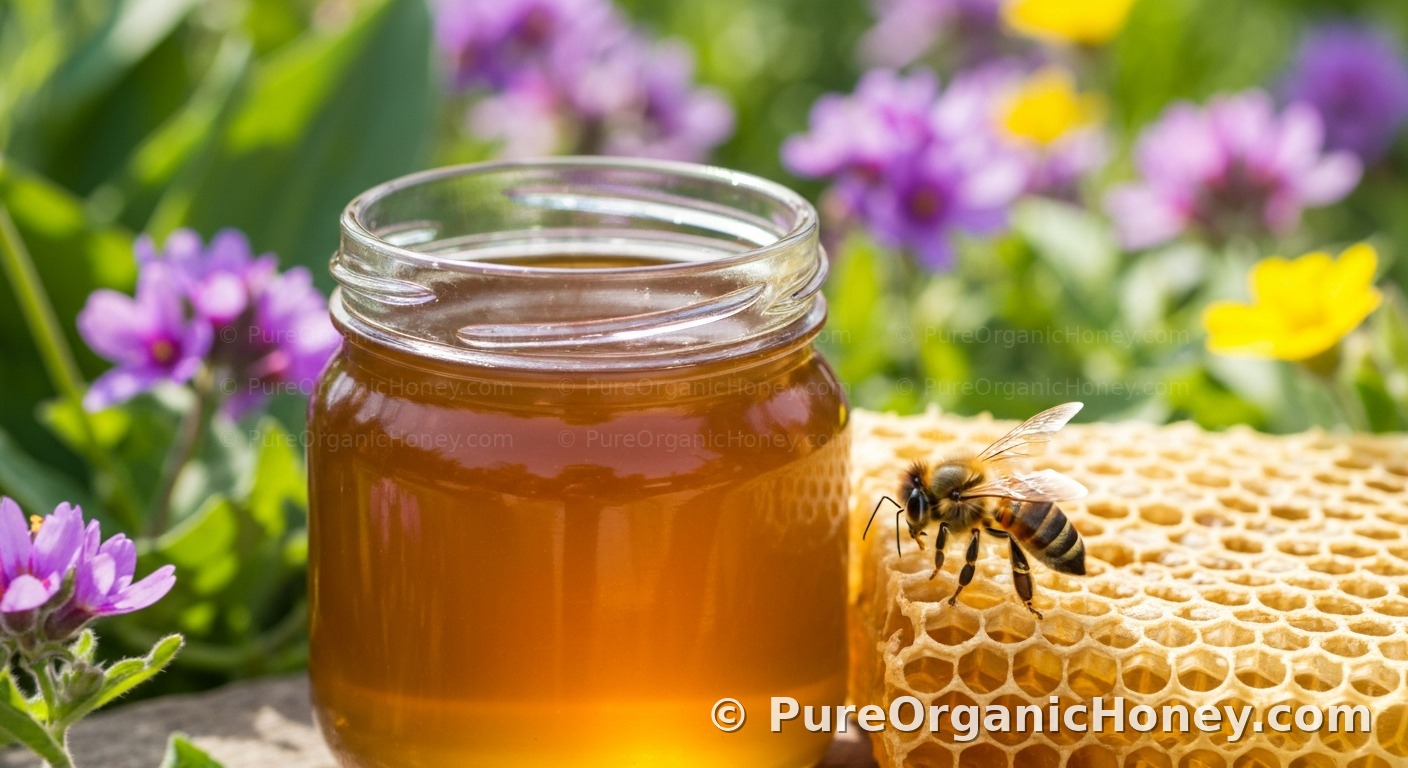
Every spring, the same advice circulates: eat local honey to cure your seasonal allergies. The theory sounds logical—expose yourself to local pollen through honey, and your body learns to tolerate it. Millions of people swear by this remedy. But does local honey actually help with allergies? The honest answer: probably not, based on current scientific evidence. But the story is more nuanced than a simple no.
Why the Theory Sounds Convincing
The idea is essentially natural immunotherapy: local honey contains pollen from local plants, eating this pollen exposes your immune system to allergens, gradual exposure builds tolerance, and your body stops overreacting to pollen. This is similar to how allergy shots work—exposing patients to small amounts of allergens to desensitize them over time. It makes intuitive sense. Medical immunotherapy does work. So why wouldn’t honey?
What Science Actually Shows
Unfortunately, the research doesn’t support the theory. A 2002 University of Connecticut study divided allergy sufferers into three groups: local honey, non-local honey, and corn syrup placebo. Result: no significant difference between groups. A 2011 Finnish study tested regular honey and honey with added birch pollen. The regular honey group showed no improvement. Only the group eating honey specifically supplemented with allergenic pollen showed modest improvement—not natural local honey. Most allergists and researchers conclude there is insufficient evidence that local honey relieves allergies.
Why the Theory Falls Short
Wrong type of pollen: Most seasonal allergy sufferers react to wind-borne pollen from trees, grasses, and weeds—not the flower pollen bees collect. Bees gather pollen from flowering plants, which are not the primary cause of seasonal allergies. Pollen is destroyed: The enzymatic process of making honey destroys most pollen’s allergenic proteins. Dose is too low: Effective immunotherapy requires precise, controlled doses of specific allergens—far more than a spoonful of honey provides. Wrong allergens: Even if your honey contains local pollen, it may not contain pollen from the specific plants triggering your symptoms.
Why Some People Feel Better
Placebo effect: Studies show placebos can reduce allergy symptoms by 15–30%—significant enough to feel like the treatment is working. Seasonal variation: Allergy symptoms naturally fluctuate year to year based on weather and pollen counts. Someone might start eating honey during a milder allergy year and attribute the improvement to honey. General anti-inflammatory benefits: Raw honey’s antioxidants may provide some general relief from inflammation—not the same as treating allergies, but it might feel similar.
What Actually Works for Allergies
Proven treatments include: antihistamines (Claritin, Zyrtec, Allegra), nasal corticosteroid sprays (Flonase, Nasacort), allergen immunotherapy (allergy shots or sublingual drops)—which uses the same desensitization principle as the honey theory but with actual evidence behind it, and decongestants for symptom relief.
Should You Try It Anyway?
Local honey is safe for most people, delicious, and supports local beekeepers. If you enjoy it, there’s no harm in eating it—just don’t rely on it instead of proven treatments if your allergies significantly affect your quality of life. Think of it as a pleasant addition to your routine, not a medical treatment.
Frequently Asked Questions
How much local honey should I eat for allergies?
There’s no evidence-based dosage because local honey hasn’t been proven effective. Studies that showed any benefit used very high doses (1g per kg body weight daily) which is impractical and calorie-intensive.
Is raw local honey better than regular honey for allergies?
Raw local honey contains more pollen than filtered commercial honey, making it slightly more plausible as an allergy remedy in theory—but the evidence still doesn’t support either type as an effective allergy treatment.
When should I start eating local honey for allergy season?
The honey-for-allergies theory suggests starting months before allergy season to allow gradual desensitization. Since the evidence doesn’t support the practice, there’s no evidence-based recommendation for timing.
Disclaimer: This article is for informational purposes only. Local honey is not a proven medical treatment for allergies. For persistent or severe allergy symptoms, consult an allergist or healthcare provider. Never give honey to infants under 12 months.