Walk into any health food store and you’ll see Manuka honey priced at $40, $60, even $100 for a small jar. Right next to it, regular raw honey sits at $12. Is Manuka honey really worth the price? Or is it just expensive marketing? The answer depends on what you’re using it for.
What Makes Manuka Honey Different?
Manuka honey comes exclusively from bees that pollinate the Leptospermum scoparium (manuka) bush, native to New Zealand and parts of Australia. What sets it apart is a compound called methylglyoxal (MGO)—found in very high concentrations in manuka honey but not in regular honey. MGO gives Manuka its powerful, stable antibacterial properties that remain active even when diluted, unlike the hydrogen peroxide in regular honey which breaks down quickly.
Understanding UMF and MGO Ratings
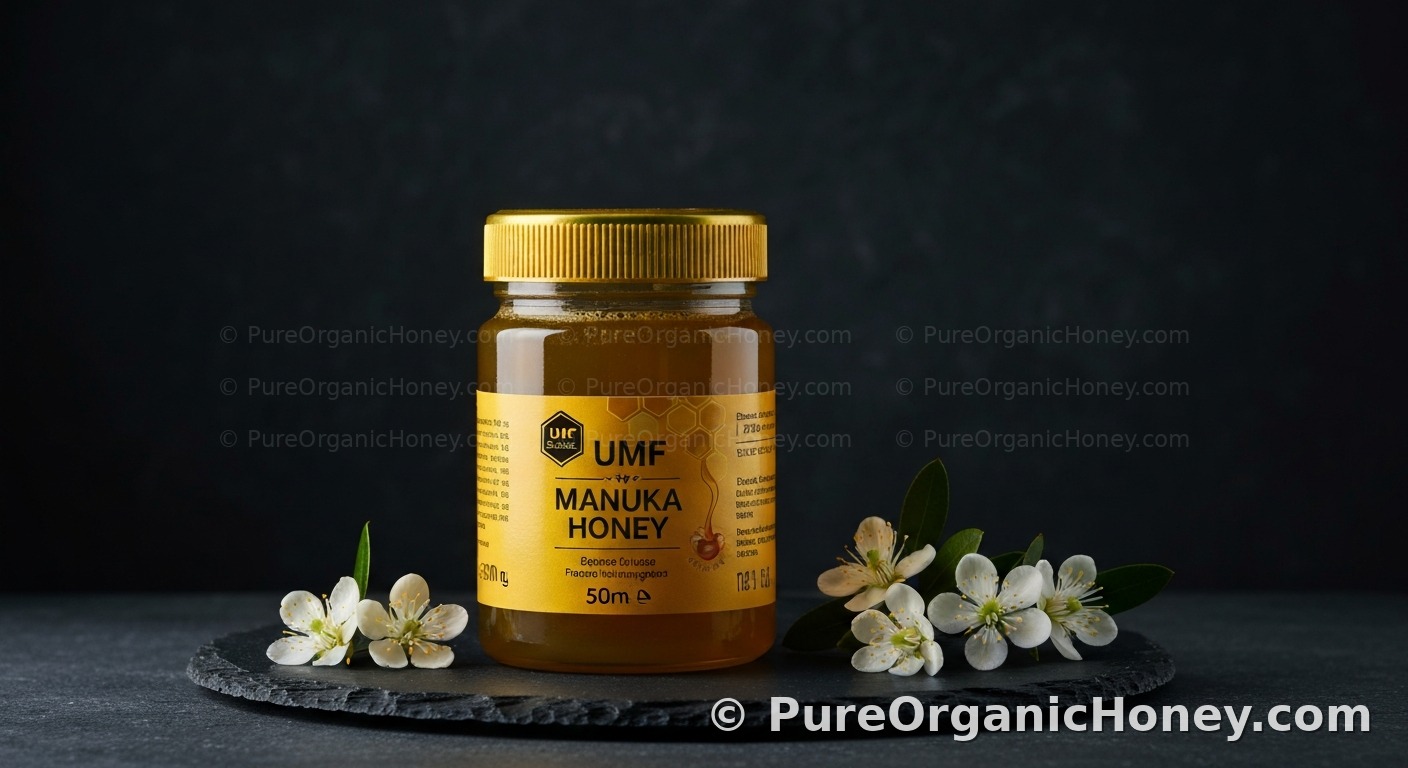
Manuka honey uses grading systems that regular honey doesn’t need. UMF (Unique Manuka Factor) is an independent certification from New Zealand that tests for MGO, DHA, and leptosperin. MGO ratings measure methylglyoxal content directly.
| UMF Rating | MGO Equivalent | Best Use |
|---|---|---|
| UMF 5+ | MGO 83+ | Daily eating |
| UMF 10+ | MGO 263+ | General wellness |
| UMF 15+ | MGO 514+ | Therapeutic use |
| UMF 20+ | MGO 829+ | Medical grade |
Price Comparison
| Honey Type | Typical Price (8 oz) |
|---|---|
| Regular clover honey | $5–8 |
| Raw wildflower honey | $10–15 |
| Manuka UMF 10+ | $30–45 |
| Manuka UMF 15+ | $45–70 |
| Manuka UMF 20+ | $70–120 |
Health Benefits Compared
Wound Healing
Manuka wins clearly here. It is FDA-approved for wound care. Medical-grade Manuka (Medihoney) is used in hospitals for burns, surgical wounds, diabetic ulcers, and infected wounds. Its stable MGO content keeps working even in conditions where regular honey’s antibacterial properties would be neutralized. Regular honey also has wound-healing properties, but its antibacterial activity is less reliable.
Sore Throat and Cough
Both work well for sore throats—the thick texture coats and soothes the throat. Manuka has a slight edge due to its stronger antibacterial properties, but regular raw honey works effectively for most people at a fraction of the cost.
Skin Care
Manuka is superior for acne and problem skin due to its MGO content. For general moisturizing, regular raw honey works just as well.
General Nutrition
Both provide antioxidants, trace minerals, and natural enzymes (in raw form). Neither is a nutritional superfood in large quantities—both are primarily sugar.
When to Choose Manuka vs Regular Honey
Choose Manuka for wound care or burn treatment, severe acne or problem skin, persistent sore throat from infection, or when you want the strongest possible antibacterial benefit. Choose regular raw honey for everyday sweetening, general sore throat relief, recipes and cooking, moisturizing skin, or when budget matters. Neither is universally better—match the honey to your actual use case.
Frequently Asked Questions
What UMF rating should I buy?
For general wellness: UMF 10+ (MGO 250+). For therapeutic use: UMF 15+ (MGO 500+). For everyday eating where you just want some Manuka benefits: UMF 5+ is fine.
Is Manuka safe for diabetics?
Manuka is still sugar and affects blood glucose similarly to regular honey. Diabetics should limit both equally and count carbohydrates carefully.
How do I know if Manuka honey is genuine?
Look for the UMF trademark logo, a batch number for traceability, and the country of origin (New Zealand or Australia). Avoid any Manuka honey without certification—counterfeits are common due to the high price.
Disclaimer: This article is for informational purposes only. For wound care or medical conditions, consult a healthcare professional. Never give honey to children under 12 months.