You’ve decided to try veganism and you’re checking labels carefully. Then you hit a confusing question: what about honey? It comes from bees, not cows or chickens. It’s natural. Bees aren’t killed for it… right? Is honey vegan? The short answer is no—most vegans don’t consider honey vegan. But the reasoning is more nuanced than you might expect.
The Standard Vegan Position on Honey
The Vegan Society (which coined the term “vegan” in 1944) explicitly excludes honey from a vegan diet. Their definition seeks to exclude “all forms of exploitation of, and cruelty to, animals for food, clothing, or any other purpose.” PETA also advises against consuming honey. Most vegan certifications exclude products containing honey. The core argument: honey is an animal product produced through animal labor. Bees make honey for themselves—it’s their food source. When humans take honey, we’re taking something bees created for their own survival.
The Ethical Arguments Against Honey
Honey is Bee Food
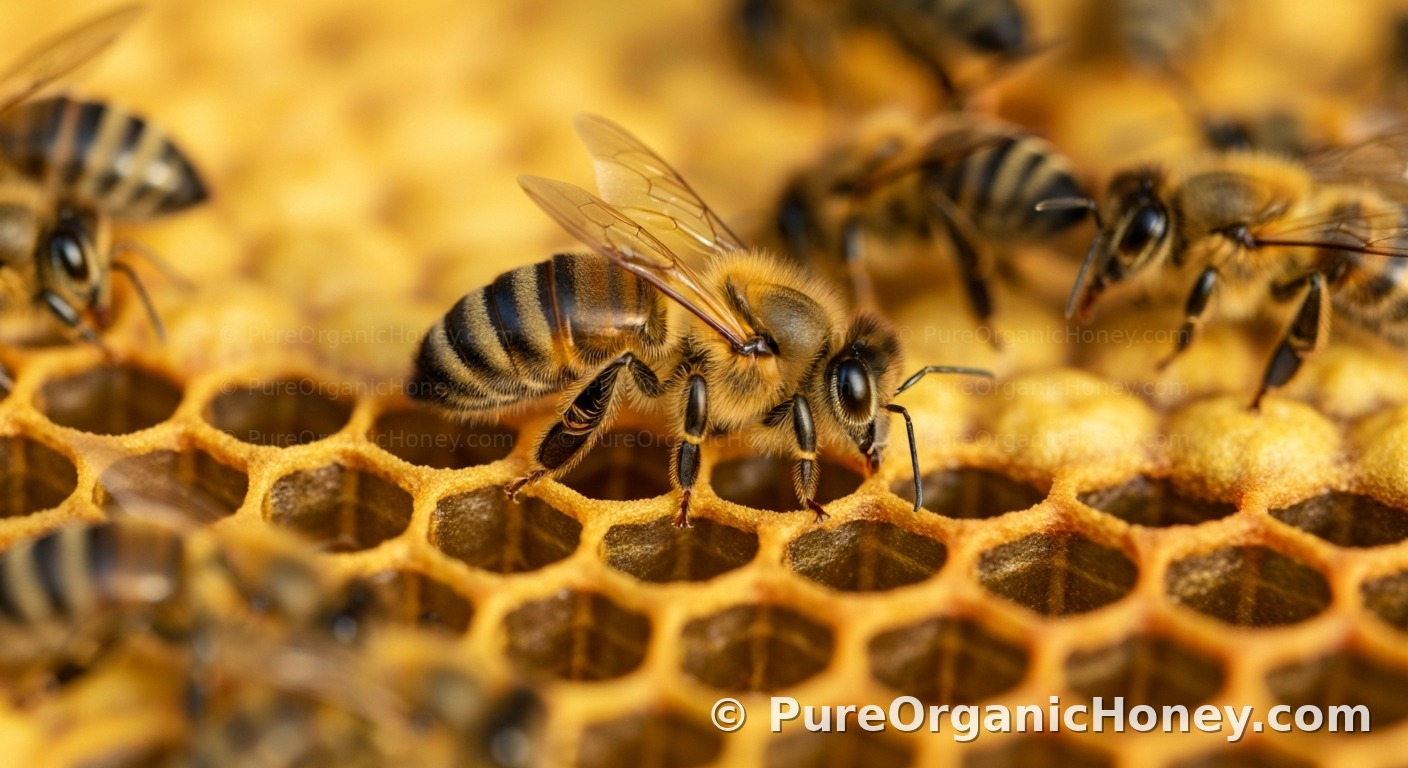
A single bee produces only about 1/12 teaspoon of honey in its entire lifetime. A hive works collectively to store honey as food for winter. When beekeepers harvest honey, they’re taking the bees’ food supply. Commercial operations typically replace harvested honey with sugar syrup, which lacks the complex nutrients bees need for optimal health.
Commercial Beekeeping Practices
Large-scale honey production involves practices many vegans find problematic: queen manipulation (clipping wings to prevent swarming), artificial insemination of queen bees, culling male drones after mating, and replacing natural honey stores with sugar syrup. These practices prioritize honey production over bee welfare.
The Arguments For Honey
Not all vegans agree on honey. Some argue that responsible beekeeping is symbiotic—bees receive care, shelter, and protection from predators in exchange for surplus honey. Small-scale ethical beekeeping doesn’t involve the harsher practices of commercial operations. Some also point out that bees are essential pollinators and beekeeping supports their survival. Others distinguish between the sentience of insects versus mammals, arguing the ethical calculus is different.
Vegan Honey Alternatives
| Alternative | Flavor Profile | Best Use |
|---|---|---|
| Maple syrup | Rich, caramel-like | Pancakes, baking, beverages |
| Agave nectar | Mild, neutral | Cold drinks, light baking |
| Date syrup | Deep, caramel, complex | Smoothies, sauces, baking |
| Brown rice syrup | Mild, slightly nutty | Granola bars, binding |
| Vegan “honey” | Close to honey | Any application |
Frequently Asked Questions
Do vegans eat beeswax?
Most vegans avoid beeswax for the same reasons they avoid honey—it’s an animal product. This affects candles, some cosmetics, and certain food coatings.
Can you be vegan and eat honey?
Technically, the definition of veganism excludes honey. However, some people identify as vegan while making exceptions for honey, particularly from ethical small-scale beekeepers. Labels are personal—what matters is thoughtful reasoning about your choices.
Is vegan honey a real product?
Yes. Several companies now produce plant-based honey alternatives using ingredients like apple juice, lemon juice, and natural flavors that replicate honey’s sweetness and texture. They work well as substitutes in most applications.
Disclaimer: This article presents various perspectives on the honey-veganism debate. Individual dietary choices should reflect personal values and circumstances.