
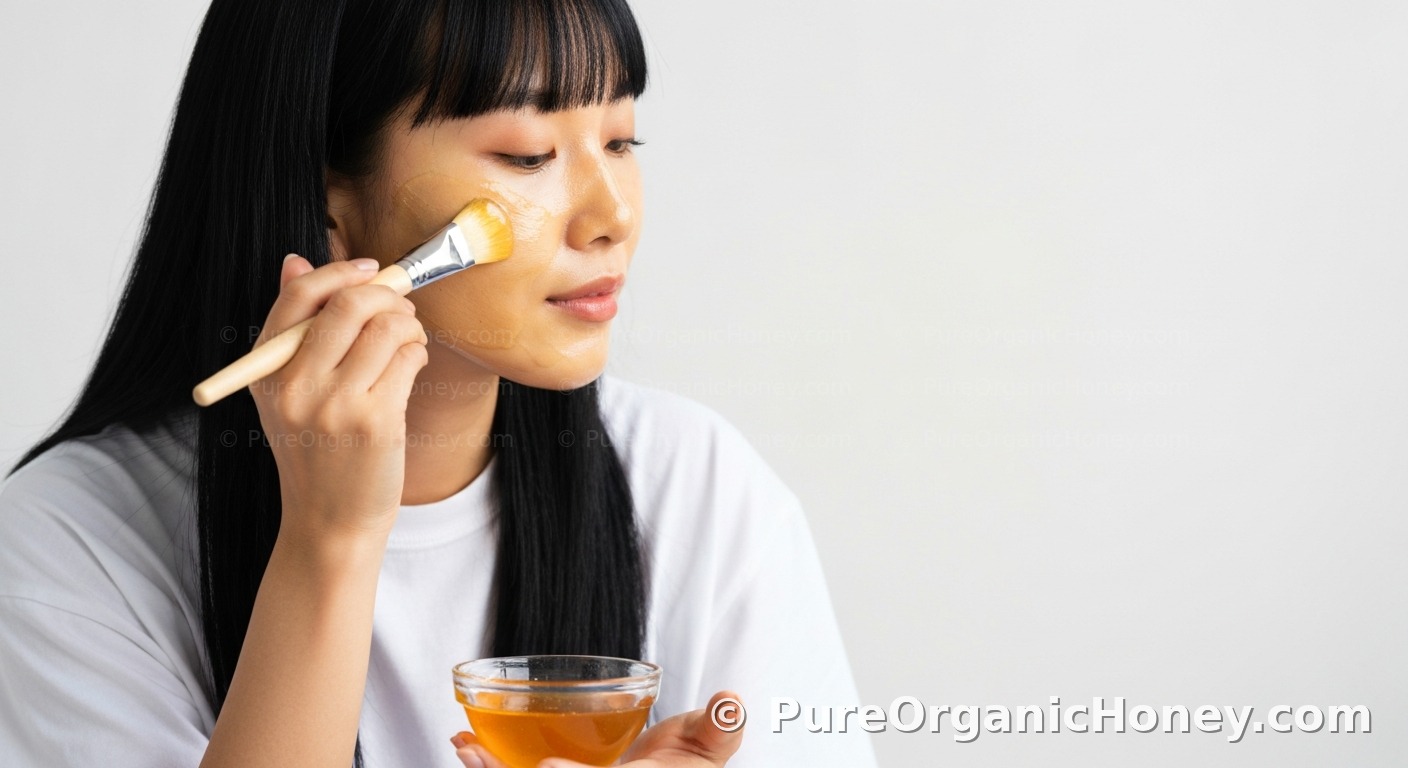
Honey has been used for skin care for thousands of years—Cleopatra reportedly bathed in milk and honey. Today it’s found in expensive serums, masks, and creams. But here’s the thing: you don’t need fancy products. Learning how to use honey for skin care at home is simple, affordable, and surprisingly effective. Honey moisturizes, fights bacteria, reduces inflammation, and promotes healing.
Why Honey Works for Skin
Natural humectant: Honey draws moisture from the air into your skin, making it an excellent moisturizer that hydrates without feeling greasy. Antibacterial: Raw honey produces hydrogen peroxide when diluted, killing bacteria that cause acne and infections. Anti-inflammatory: Honey reduces redness, swelling, and irritation—calming acne, eczema, and sensitive skin. Gentle exfoliant: Natural enzymes and mild acids remove dead skin cells, revealing brighter skin. Antioxidant protection: Antioxidants fight free radicals that cause premature aging and dull skin.
Choosing the Right Honey for Skin Care
For skin care, raw honey is essential—pasteurized honey has lost the enzymes and antibacterial compounds that make honey effective on skin. Best choices: raw honey for general skin care, Manuka honey UMF 10+ for acne and problem skin (strongest antibacterial properties), raw local honey for moisturizing sensitive skin. Avoid processed, flavored, or blended honeys with additives.
8 DIY Honey Skin Care Treatments
1. Simple Honey Face Mask (All Skin Types)
Apply 1 tablespoon of raw honey to clean, slightly damp skin. Leave on 15–20 minutes, then rinse with warm water. Works for all skin types. Do 2–3 times per week for soft, hydrated skin.
2. Honey and Cinnamon Acne Mask
Mix 2 tablespoons raw honey with 1 teaspoon cinnamon. Apply to face, leave 10–15 minutes, rinse thoroughly. Cinnamon boosts honey’s acne-fighting power. Patch test first—cinnamon can irritate sensitive skin.
3. Honey Spot Treatment for Acne
Apply a tiny dab of Manuka honey directly to a pimple or blemish. Leave overnight or for several hours. The high MGO content in Manuka makes it especially effective for targeting individual breakouts.
4. Honey and Oat Exfoliating Scrub
Mix 1 tablespoon raw honey with 2 tablespoons ground oats. Gently massage onto damp skin in circular motions for 1–2 minutes, then rinse. Oats physically exfoliate while honey moisturizes and soothes.
5. Honey and Lemon Brightening Mask
Mix 2 tablespoons honey with 1 teaspoon fresh lemon juice. Apply to face avoiding eye area, leave 15 minutes, rinse well. The vitamin C in lemon combined with honey’s antioxidants helps brighten dull skin. Avoid sun exposure after using lemon—it increases photosensitivity.
6. Honey and Coconut Oil Lip Scrub
Mix 1 tablespoon honey with 1 tablespoon coconut oil and 1 teaspoon sugar. Gently rub onto lips in circular motions for 1 minute, then rinse. Removes dry, flaky skin and leaves lips soft and moisturized.
7. Honey Hair Mask
Mix 2 tablespoons raw honey with 2 tablespoons warmed coconut oil. Apply to damp hair from mid-lengths to ends. Leave on 20–30 minutes under a shower cap, then shampoo out. Honey’s humectant properties hydrate dry, frizzy hair and add shine.
8. Honey Sunburn Soother
Mix equal parts honey and aloe vera gel. Apply gently to sunburned skin, leave 20 minutes, rinse with cool water. Honey’s anti-inflammatory properties reduce redness and promote healing while aloe soothes and cools.
Frequently Asked Questions
Can I leave honey on my face overnight?
Yes, honey is gentle enough for overnight use. Apply a thin layer to avoid stickiness. Use a towel on your pillow to protect your bedding.
Will honey clog my pores?
Pure honey is non-comedogenic and won’t clog pores. However, added ingredients like coconut oil may cause breakouts for acne-prone skin.
Is Manuka honey really better for skin?
For acne and problem skin, yes—Manuka’s stronger antibacterial properties (due to MGO) make a real difference. For general moisturizing, regular raw honey works just as well at a fraction of the cost.
Disclaimer: This article is for informational purposes only. For serious skin conditions, consult a dermatologist. Always patch test new ingredients before applying to your face.